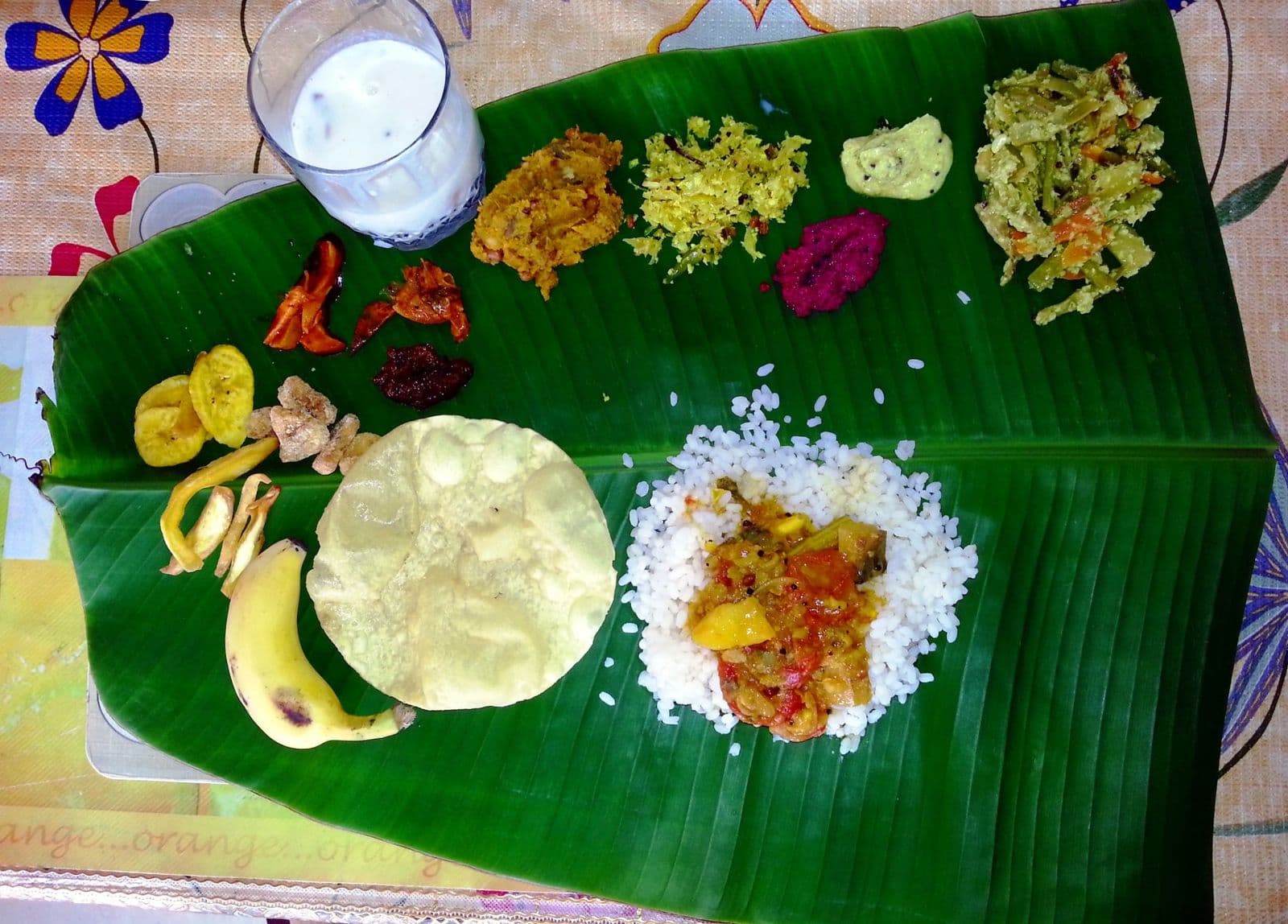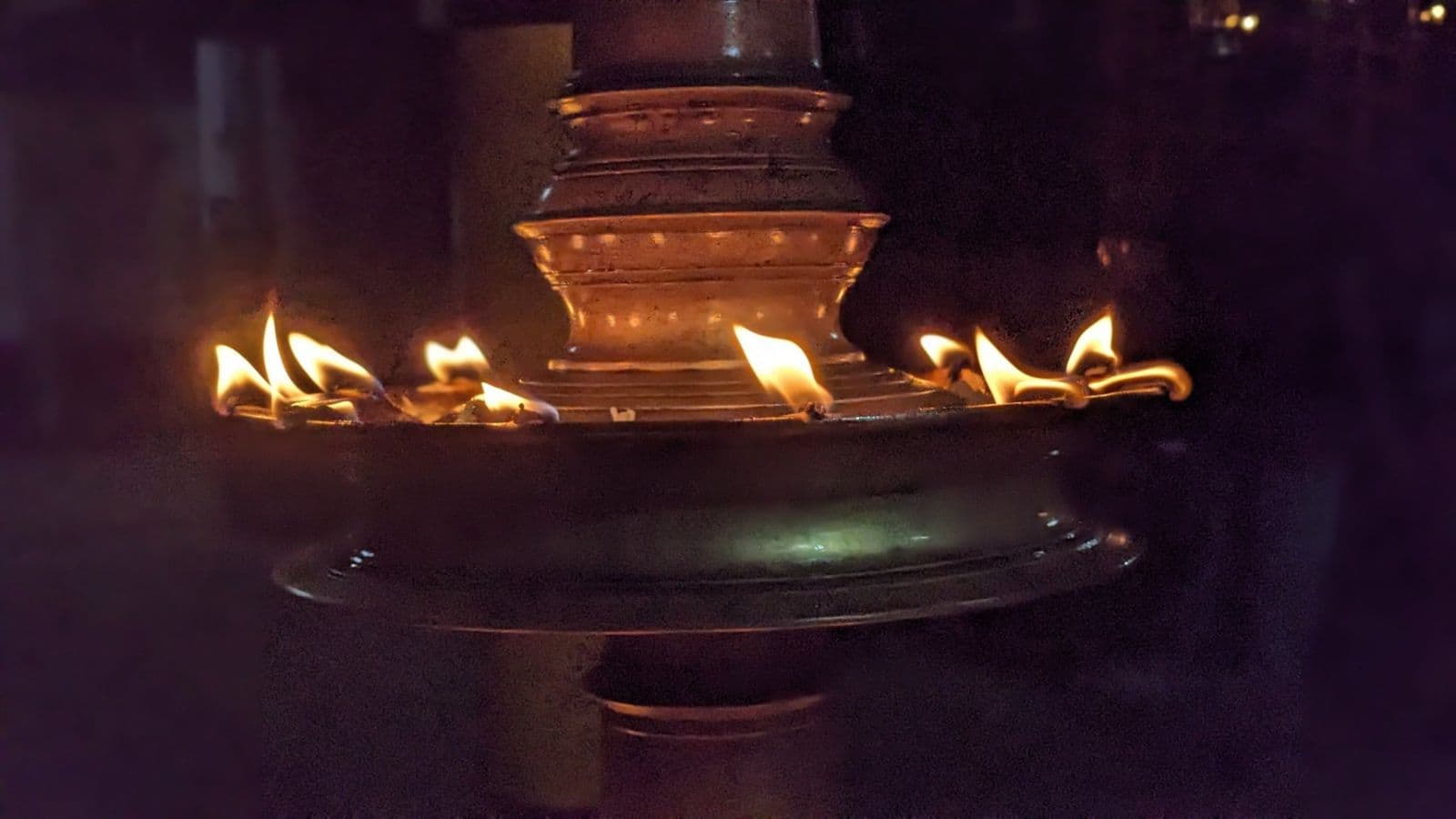
A Kerala Hindu wedding is short, beautiful and timed to the minute: at the muhurtham the groom ties the thali around the bride’s neck, often followed by the giving of a new cloth (pudavakoda) and an exchange of garlands, in front of a lit nilavilakku. The ceremony can take under half an hour and is followed by a sadya.
What makes a Kerala Hindu wedding different?
Kerala weddings are known for their simplicity. There are no days of rituals before the ceremony in most communities, and the wedding itself focuses on a few moments done precisely at the muhurtham, the auspicious time. Customs vary between communities, such as Nair, Ezhava and Namboodiri families, so every family adapts what follows.
The usual order of the day
- The welcome. The groom’s party is received at the venue, often with a thalappoli: girls or women carrying brass plates with lit lamps, rice and flowers. In many families an ashtamangalyam tray of eight auspicious items is carried too.
- The setting. The ceremony happens on a decorated platform (mandapam) in front of a lit nilavilakku, with a nirapara of paddy beside it.
- The muhurtham. At the exact auspicious time, the groom ties the thali, a sacred pendant, around the bride’s neck. This is the heart of the wedding.
- Pudavakoda. In many communities the groom gives the bride a new cloth (pudava), a custom with deep roots in Kerala.
- Garlands and the kanyadanam. The couple exchange garlands, and in many families the bride’s father places her hand in the groom’s.
- Walking together. The couple often walk around the lamp or the mandapam, receiving blessings.
- The sadya. A vegetarian feast on banana leaves for every guest.
What do the bride and groom wear?
The bride traditionally wears a cream kasavu saree with a gold border, or a silk saree, with gold jewellery and jasmine in her hair. The groom wears a kasavu mundu and melmundu. Many couples change into different outfits for the reception.
Where do Kerala Hindu weddings take place?
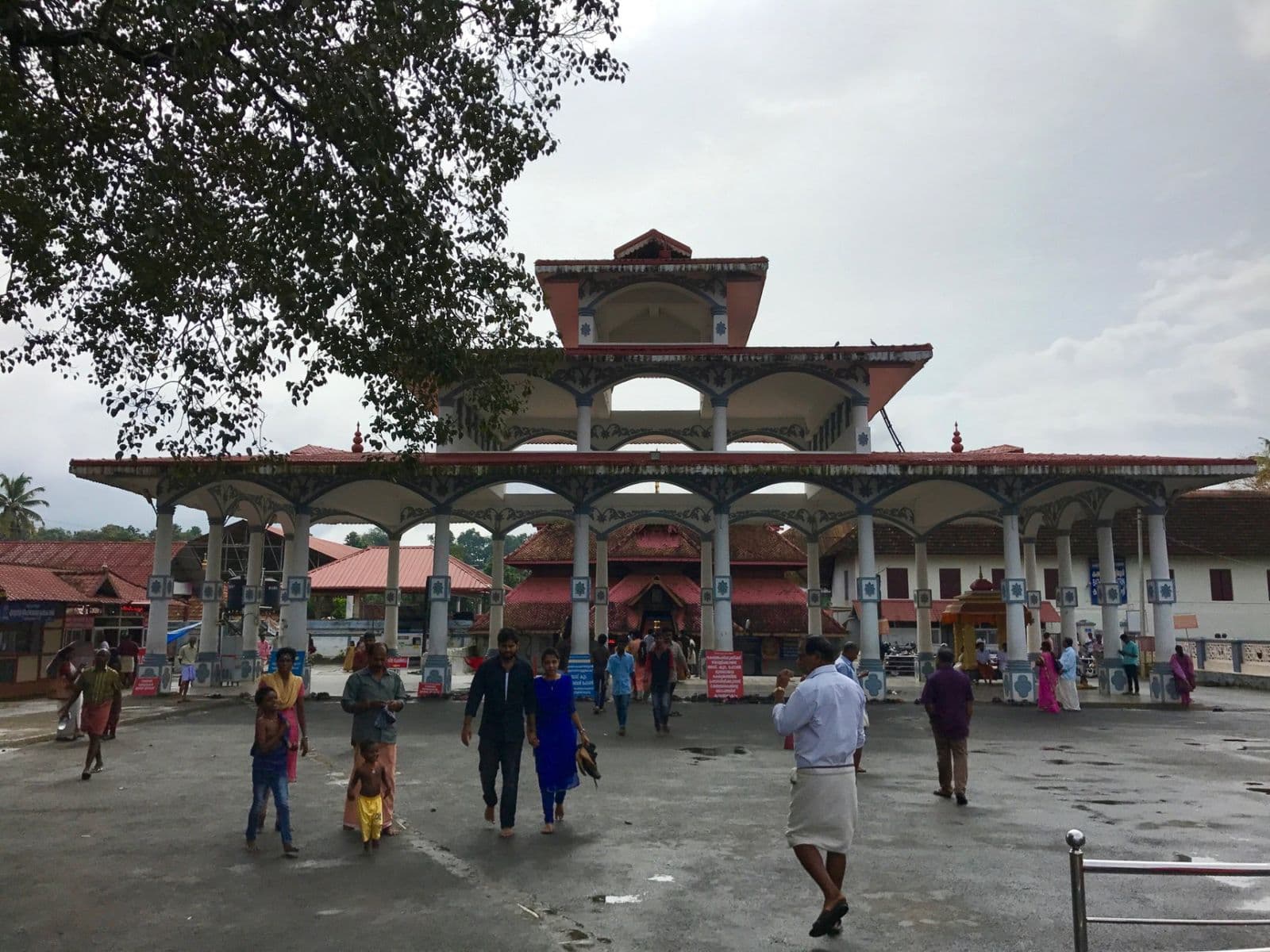
In temples (some famous temples host many weddings on popular dates), in kalyana mandapams and convention centres, at tharavadu family homes, and increasingly at lakeside and beach resorts for destination weddings.
How is the date chosen?
With the help of the family astrologer, using the couple’s horoscopes and the calendar. Popular muhurtham dates book up months in advance, and many families avoid the month of Karkidakam. Our muhurtham finder lists the traditional candidates for any year.
How it compares
| Aspect | Hindu | Christian | Muslim |
|---|---|---|---|
| The ceremony | The groom ties the thali around the bride’s neck at the muhurtham, the auspicious time | Vows in church, then the groom ties the minnu and drapes the manthrakodi over the bride | The nikah: a marriage contract agreed before an officiant and witnesses, with the mahr gift to the bride |
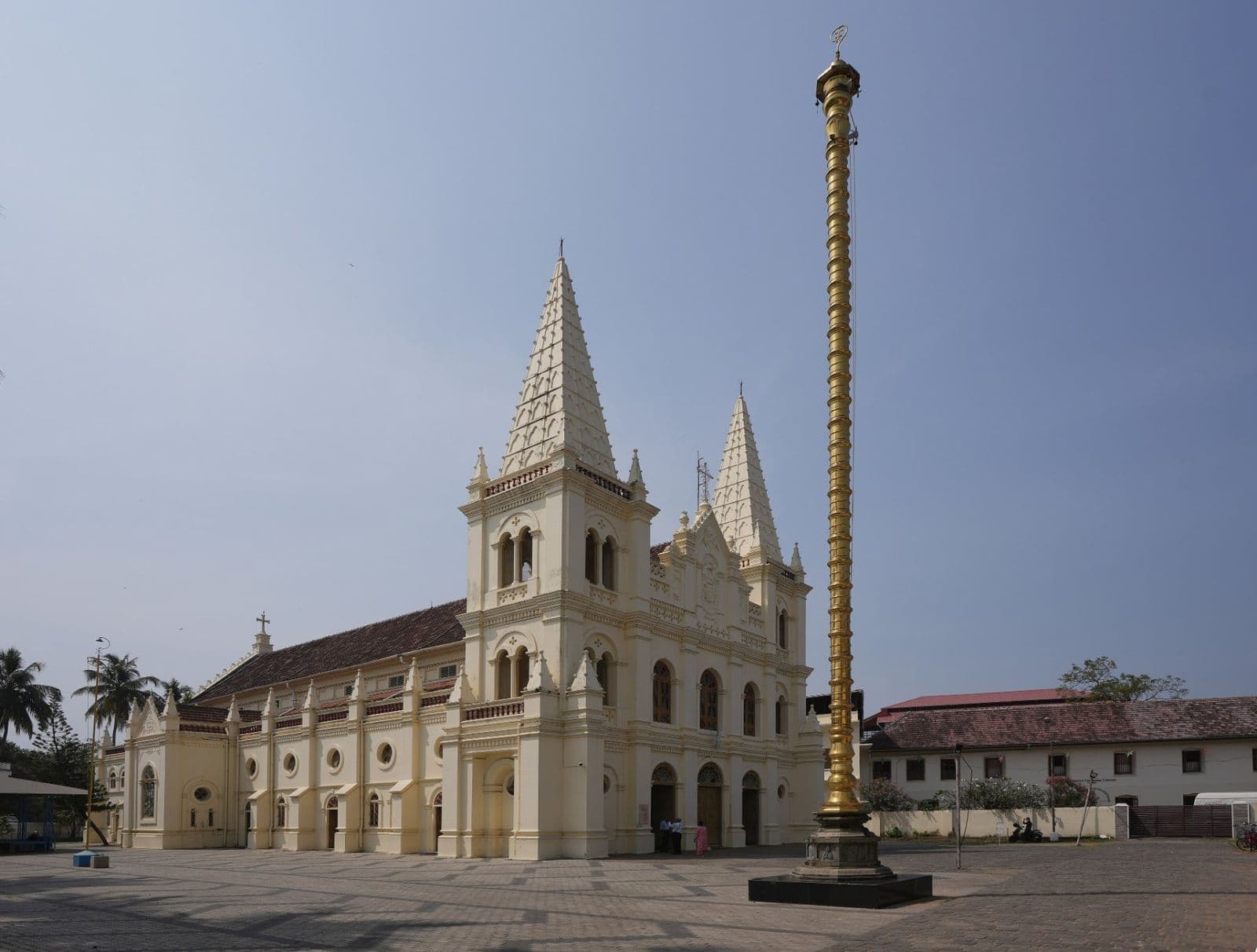
| Where | A temple, kalyana mandapam, family home or resort | A church, with the reception at a hall or resort | A mosque or family venue, with the reception after |
| Before the day | No days of rituals in most communities | Manasammatham (betrothal in church) and madhuram vekkal (sweets) | Mylanchi, the henna night, often with oppana songs |
| The feast | A vegetarian sadya on banana leaves | Often meat and fish, such as appam with stew, or biriyani | Malabar biriyani; the groom’s family hosts the walima |
| Usually avoided | The month of Karkidakam, in many families | Lent, in most churches | Ramadan |
Customs vary between communities and families. We also plan interfaith and fusion weddings and civil weddings under the Special Marriage Act.
Questions couples ask
How long is a Kerala Hindu wedding ceremony?
Often under half an hour. The central moment, the tying of the thali, happens exactly at the muhurtham.
What is thalikettu?
The tying of the thali, a sacred pendant, around the bride’s neck by the groom. It is the central rite of a Kerala Hindu wedding.
What do guests wear to a Kerala wedding?
Cream and gold kasavu, silk sarees and mundus are traditional; guests from abroad are welcome in formal wear.